Live tattoo artist for Miami weddings, brands and events
Tattoo Popups produces host-paid permanent tattoo activations for Miami weddings, hotels, brands, and private events. We are based in Los Angeles and Las Vegas. Miami is an operating hub: the plan starts with the municipality, Florida licenses, the property, and the weather.
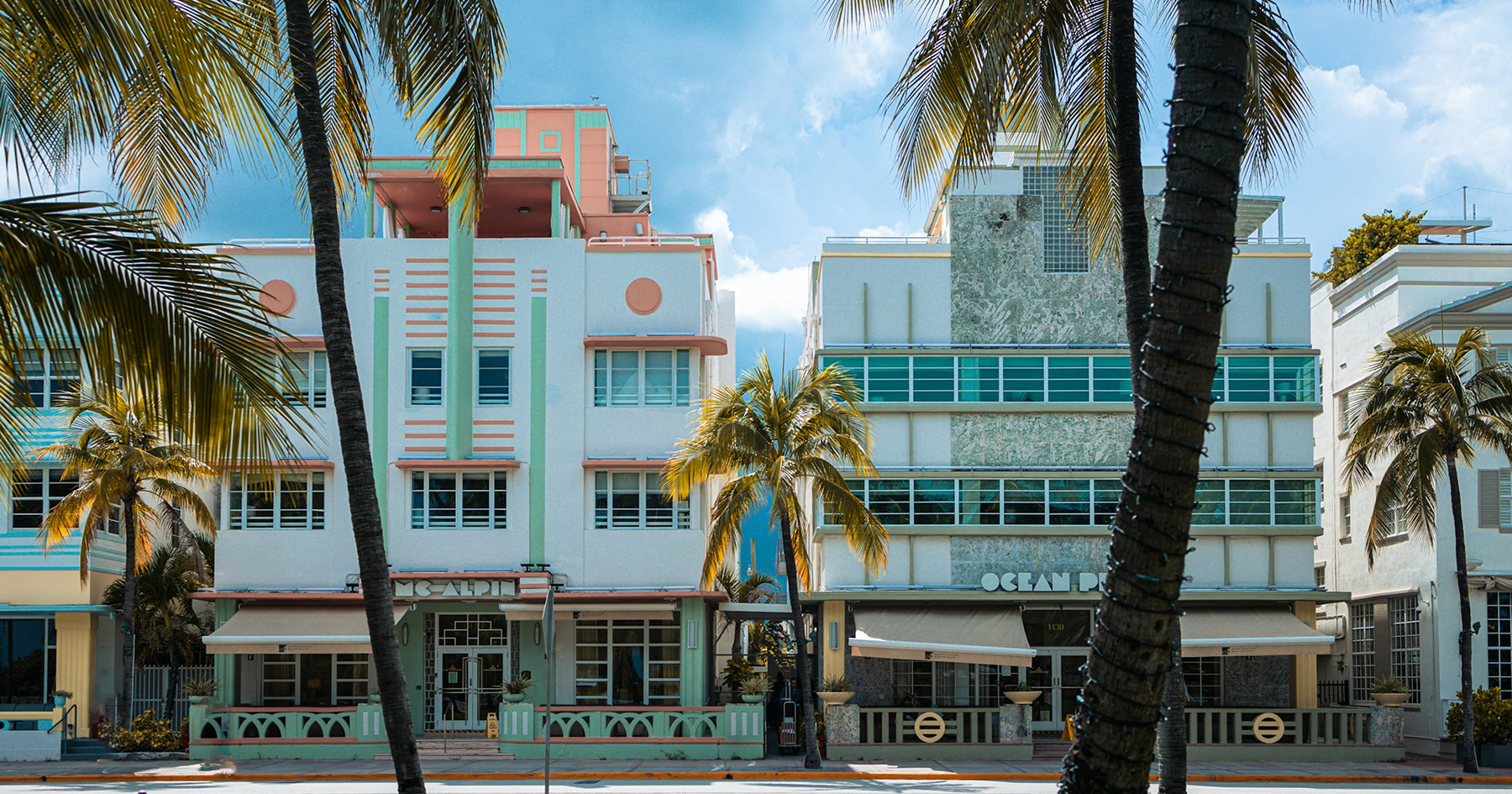
Miami and Miami Beach are not the same city
A South Beach hotel, a Wynwood warehouse, a Brickell office, a Coconut Grove wedding, and a beach activation do not share a permit path. Coral Gables, Key Biscayne, and the Keys are different again.
We are based in Los Angeles and Las Vegas. Miami is an operating hub, not a claimed local office. Recent LA work includes Netflix’s End of Summer Bash and MACRO Foundation. The same system comes here: artist, assistant, guest host, custom flash, digital waivers, a text waitlist.
Staffing, Florida artist licenses, temporary-establishment licensing, and travel are confirmed for the actual address.
Florida licenses both artists and establishments
The Florida Department of Health states that all forms of tattooing require licensure in Florida. A tattoo artist needs the appropriate Florida license, and tattooing must occur in a licensed establishment.
Florida also provides a temporary tattoo-establishment license for a convention or similar event. State guidance says a temporary establishment license cannot exceed 14 consecutive days. The event format and site must qualify, and artist licensing remains a separate requirement.
That distinction matters for planners. Hiring a licensed Florida artist does not automatically license a hotel suite, brand booth, private home, beach tent, or rooftop as a tattoo establishment. A temporary establishment approval does not override municipal event permits or property rules.
The station needs a controlled procedure area, handwashing, cleanable surfaces, lighting, secure clean storage, sanitation supplies, sharps handling, biomedical-waste management, guest separation, and the operating conditions required by Florida law and the venue.
Tattoo Popups can provide managed licensing and permit support as an optional paid addition. Responsibilities should be assigned in the proposal. No vendor can guarantee State, City, County, fire, property, organizer, landlord, or venue approval before review.
Miami wedding tattoo artists
Miami weddings take place at oceanfront hotels, historic estates, gardens, museums, ballrooms, restaurants, private homes, clubs, and waterfront venues.
Planning at Faena, The Setai, 1 Hotel South Beach, The Biltmore, Vizcaya, Deering Estate, The Cruz Building, Mayfair House, Ritz-Carlton Key Biscayne, St. Regis Bal Harbour, Acqualina, Four Seasons at The Surf Club, or a private island estate? Send the actual property. We will scope the station around the floor plan, guest count, and Florida licensing.
A full-system wedding package includes at least 10–15 small flash designs developed or curated for the event. Creative can reference the couple, family symbols, architecture, tropical plants, water, coordinates, typography, cultural traditions, or the weekend’s visual language.
The guest host manages design discovery, eligibility, digital waivers, and the waitlist. The tattoo assistant supports the artist and station turnover. This keeps permanent-body-art operations separate from the planner’s reception duties.
Tattoo Popups does not tattoo a visibly intoxicated guest. Miami wedding weekends can include welcome drinks, pool time, rehearsal events, and a long reception bar schedule. The tattoo window should open while guests remain eligible, not only at the end of the night.
Miami Beach special-event review
Miami Beach says its special-event permit can apply to events on public property and to events inside private commercial property when the activity changes the allowable use of the space. Its examples include corporate functions, festivals, beach concerts, and other temporary programming.
The City’s current guidance calls for 60 days’ notice for public-property events and 30 days for private commercial property. It also warns that applications submitted fewer than 14 days before the event may not be reviewed.
Special events can require emergency planning, fire, building, sanitation, police, transportation, public-space, insurance, neighborhood, and resident-benefit review. Temporary construction or electrical power can trigger Building Department permits.
Miami Beach makes clear that receiving one special-event permit does not exempt an event from other federal, State, County, or City requirements. For tattooing, Florida artist and temporary-establishment licensing must be addressed separately.
South Beach hotels and controlled guest programs
South Beach, Mid-Beach, Surfside, Bal Harbour, and Sunny Isles contain hotels, resorts, private clubs, condominiums, restaurants, and event spaces with very different operating rules.
An invited wedding, member program, or hotel pilot at Faena, The Setai, 1 Hotel, W South Beach, Miami Beach EDITION, Fontainebleau, Soho Beach House, Four Seasons at The Surf Club, St. Regis Bal Harbour, or Acqualina can work after the property approves permanent tattooing.
The hotel should identify vendor onboarding, State licensing expectations, station location, invited versus public access, service elevators, security, working water, wastewater, biomedical waste, electrical limits, floor protection, guest charging, alcohol, photography, and municipal event triggers.
If recurring programming is the objective, begin with one defined pilot. Review participation, guest eligibility, property friction, staffing, and feedback before describing monthly or quarterly programming as established.
Art Week and Design District activations
Art Basel Miami Beach, Miami Art Week, Design Miami, satellite fairs, Design District programming, Wynwood galleries, museums, and hotel events create concentrated brand and cultural activity.
An Art Week–adjacent event can work. The fair, property, brand, and agency still have to approve permanent tattooing.
Creative tied to an artist, artwork, exhibition, luxury house, or campaign requires written rights clearance. A gallery relationship, fair booth, sponsorship, or event invitation does not automatically grant permission to reproduce protected work as tattoos.
The event plan should identify credentials, load-in, security, artwork protection, guest eligibility, photography, talent releases, trademarks, data collection, line control, working water, power, waste, and State licensing. During a crowded week, production access and property deadlines can be more restrictive than the event’s public opening hours suggest.
Wynwood warehouses and brand programs
Wynwood and nearby districts support galleries, warehouses, restaurants, studios, retail, nightlife, and temporary brand spaces. These venues can be visually flexible while still requiring property, City, fire, occupancy, and temporary-use approval.
A gallery opening, streetwear release, agency event, private party, or company gathering can work. The exact address determines whether the City of Miami, the landlord, fire, the building, or the organizer owns the next step.
Warehouse plans should address occupancy, exits, air-conditioning, lighting, working water, temporary power, restroom access, floor condition, loading, security, sound, and biomedical waste. A roll-up door and open floor plan do not automatically create a compliant tattoo establishment.
Brickell company and client events
Brickell and Downtown Miami support finance, law, real estate, technology, hospitality, cruise, family-office, and Latin American regional business activity.
Company milestones, client events, recruiting programs, conferences, launches, and private dinners are a real lane here.
The host should identify the contracting entity, building and tenant approval, procurement, risk and legal review, guest eligibility, alcohol policy, confidentiality, photography, brand restrictions, bilingual guest communication, and whether the public can attend.
Office towers and mixed-use buildings can add loading docks, freight elevators, vendor screening, certificates of insurance, access lists, service-hour restrictions, electrical limits, and strict removal deadlines. The station and queue should be approved by building management, not only the tenant event team.
Miami Beach brand promotions and public property
A brand activation on public property, the beach, a park, or a public-facing commercial footprint can trigger several Miami Beach processes. The City distinguishes special events, brand promotions and temporary sampling, pop-ups, ceremonies, and other categories.
Beach events can require vehicle-access coordination, sand protection or sifting, sanitation, public access, temporary structures, weather planning, emergency management, police or fire services, and other City conditions. An organizer should not treat an approved beach footprint as a blanket license for tattooing.
The tattoo station needs stable flooring, environmental protection, working water, secure storage, power, lighting, biomedical waste, sharps handling, and queue control. Direct sand, salt air, wind, heat, humidity, rain, and public traffic make exposed setups difficult.
F1, Swim Week, music, and hospitality
Formula 1 Miami Grand Prix, Miami Swim Week, Miami Music Week, Ultra, III Points, Rolling Loud, South Beach Wine & Food Festival, and other calendars create sponsor and hospitality inquiries.
An organizer- or sponsor-approved activation, private suite, hotel program, or hospitality event can work. Each calendar has its own promoter, landowner, security, and vendor rules.
Each event has its own promoter, landowner, security, credential, brand, fire, and vendor requirements. F1-related activity may take place at Hard Rock Stadium, a hotel, yacht, restaurant, private home, or off-site brand venue; “F1 event” is not a jurisdiction or permit.
Capacity planning should use supported artist-hours, not total attendance. A realistic starting point is four to five small flash tattoos per artist-hour under standard conditions, qualified by designs, placements, breaks, eligibility, guest readiness, and site interruptions.
Coconut Grove, Coral Gables, and Key Biscayne
Coconut Grove, Coral Gables, and Key Biscayne support weddings, private homes, hotels, clubs, gardens, museums, marinas, and historic properties.
Mayfair House, The Kampong, Vizcaya, The Biltmore, a Key Biscayne club, or Ritz-Carlton Key Biscayne: send the address after the property confirms body art is allowed.
Historic and garden properties can add preservation, flooring, tent, weather, lighting, noise, photography, load-in, and protected-landscape rules. Marina and yacht-club events can add dock access, vessel motion, operator approval, Coast Guard or harbor requirements, compact utilities, and emergency access.
Coral Gables, Key Biscayne, and City of Miami processes are distinct. The street address—not “Miami”—determines which municipality and property rules apply.
Private island homes and large residential events
Star Island, Palm Island, Hibiscus Island, Sunset Islands, Indian Creek, North Bay Road, La Gorce, and Key Biscayne include private residences with controlled access, neighborhood rules, and significant production constraints.
An invited event can work after the owner, property manager, association, and municipality confirm commercial vendors and permanent tattooing are allowed.
Miami Beach has a special process for certain large residential parties during defined high-impact periods. Its current rules can trigger review based on attendance, vehicles, commercial-grade equipment, bars, or fireworks and call for applications 90 days ahead.
Smaller residential events still need Florida artist and establishment licensing, owner permission, working water, controlled space, biomedical waste, security access, power, parking, and a plan that respects occupancy and noise rules.
Yachts, marinas, and waterfront events
Miami’s yacht and waterfront market is relevant for private celebrations, hospitality, client programs, and brand events. A vessel is not automatically an appropriate tattoo establishment.
The owner and licensed operator must approve the activity. The plan should address vessel motion, weather, boarding, Coast Guard and marina rules, limited water and power, lighting, biomedical waste, sharps, emergency access, guest circulation, alcohol, and whether a stable controlled station is possible.
If those conditions cannot be met, a dockside venue, hotel room, or land-based reception space may be the responsible alternative.
Heat, humidity, rain, and hurricane planning
Miami events can face heat, humidity, sudden rain, wind, lightning, tropical weather, flooding, and hurricane disruption. Air-conditioning and a weather backup are not comfort upgrades for a tattoo station; they can be essential operating controls.
The producer should identify the indoor fallback, decision time, generator permissions, electrical load, water, wastewater, load-in protection, guest communications, and who has authority to move, pause, or cancel the activation.
Tattoo Popups should not promise operation when State, City, venue, emergency-management, or safety conditions require a change.
South Florida and the Keys
Fort Lauderdale, Hollywood, Boca Raton, Palm Beach, Key Largo, Islamorada, Marathon, and Key West are separate cities and counties, not extensions of a Miami permit.
Destination events across South Florida can work after artist licensing, temporary-establishment rules, local event review, property approval, travel, lodging, and schedule are confirmed. Cheeca Lodge, Ocean Reef Club, The Breakers, a Las Olas property: send the address.
The Keys add long travel times, limited alternatives, bridge traffic, weather exposure, evacuation constraints, and island-specific vendors. Those conditions belong in the proposal rather than a generic mileage fee.
What a full-system Miami proposal can include
A defined proposal can cover:
- appropriately licensed Florida tattoo artists and supported artist-hours;
- a tattoo assistant for station support and turnover;
- a guest host for eligibility, waivers, design discovery, and queue management;
- at least 10–15 small custom or curated flash options;
- standard station equipment and consumables;
- digital waivers and a text-supported waitlist;
- aftercare instructions;
- coordination with the client, agency, planner, building, and venue; and
- optional managed licensing or permit support when separately scoped.
Final staffing depends on licenses, expected eligible demand, operating time, design complexity, placement, breaks, property restrictions, weather, access, and travel.
Tattoo Popups vs. solo tattoo artist
You'll find both in this market. Here's what you actually get with each.
| Tattoo Popups | Solo tattoo artist | |
|---|---|---|
| Crew size | 4 people per station (artist, assistant, host, coordinator) | 1 person |
| Tattoos per hour | 3–5 per artist, sustained | 1–1.5 per hour |
| Insurance | $2M occurrence / $4M aggregate, COI on request | Often none — your venue won't accept it |
| Permits | We file the county health permit, the fire marshal sign-off, and the venue paperwork | You handle it (or they do, slowly) |
| Flash sheet | Custom, designed for your event | Generic sheet, or guest brings their own (slower) |
| Guest experience | Digital check-in, no line, aftercare included | Paper waivers, queue, no aftercare |
| Best for | Weddings, brand activations, private parties, hotel programming, festivals, corporate events | Small private sessions (1–5 guests, no event) |
How a Miami tattoo popup comes together
1. Start with the municipality and property. Share the exact address, venue contact, event affiliation, date, guest count, operating window, and proposed station.
2. Confirm Florida licensing. Identify artist licenses, the temporary-establishment path, biomedical-waste responsibilities, and whether the event qualifies as a convention or similar event.
3. Separate the approvals. State, City, County, fire, building, beach, organizer, landlord, association, vessel, and venue processes are mapped individually.
4. Resolve environment and access. Air-conditioning, weather backup, working water, wastewater, power, flooring, freight access, security, and waste are confirmed.
5. Scope artist-hours and flash. Expected eligible demand and usable time drive staffing; at least 10–15 small options are developed or curated.
6. Assign responsibilities. Managed licensing and permit support can be added, with client, agency, property, artists, and authority actions documented.
7. Run the activation. The artist, tattoo assistant, and guest host manage tattooing, turnover, eligibility, waivers, the queue, and aftercare.
Miami service areas
Miami Beach: South Beach • Mid-Beach • North Beach • Surfside • Bal Harbour • Sunny Isles
Miami-Dade: Brickell • Downtown • Wynwood • Design District • Coconut Grove • Coral Gables • Key Biscayne • Doral • selected private properties
Regional: Fort Lauderdale • Hollywood • Boca Raton • Palm Beach • Key Largo • Islamorada • Marathon • Key West and nearby approved destinations
Service is confirmed for the actual date, municipality, licensing, property, staffing, and travel plan.
Frequently asked questions
How much does a Miami event tattoo artist cost?
Pricing is proposal-first. Licensed artist-hours, crew, creative, venue, weather plan, travel, licensing support, security, and event length affect the scope. Send the exact property and operating window for a defined proposal.
Does Florida require a temporary tattoo-establishment license?
Florida requires tattooing to occur in a licensed establishment. The State offers temporary establishment licenses for conventions or similar events for up to 14 consecutive days. The exact event, site, and artists must be evaluated; an artist license alone is not enough.
Can Tattoo Popups work at a named Miami hotel?
Yes, after the property is open to permanent tattooing. State licensing, municipal review, station location, utilities, waste, insurance, load-in, and alcohol still need approval.
Can you produce an Art Basel or Miami Art Week activation?
Yes, after the organizer, property, or sponsor approves the plan. Art rights, brand approvals, State licenses, venue access, security, photography, utilities, and guest eligibility still have to be real.
Can the station operate on Miami Beach sand?
Not by default. Miami Beach, the property or organizer, and Florida licensing authorities must allow the plan. Sand, heat, humidity, wind, rain, public access, flooring, water, power, storage, and biomedical waste can make an exposed setup unsuitable.
Can you work at a private residence or on a yacht?
Potentially, after owner, operator, association, municipality, and licensing requirements are resolved. Residential and vessel settings must still support a stable controlled station, working water, waste, emergency access, insurance, security, and guest eligibility.
How many guests can be tattooed?
Planning generally begins around four to five small flash tattoos per supported artist-hour under standard conditions. Designs, placements, guest readiness, eligibility, breaks, weather, and site restrictions qualify the range.
What if guests have been drinking?
Tattoo Popups does not tattoo a visibly intoxicated guest. The guest host manages eligibility discreetly, and the planner should schedule the station before prolonged bar or hospitality service.
What should a Miami producer send first?
Send the exact address, municipality, venue contact, organizer or event affiliation, date, operating window, guest count, expected participation, indoor or outdoor footprint, security and load-in, creative references, and known deadlines.
Related planning pages
- Miami wedding tattoo popups
- Brand activation tattoo stations
- Hotel and hospitality programs
- Private event tattoo popups
- Festival tattoo stations
- Destination event tattoo popups
- How Tattoo Popups works
- Safety and event requirements
- New York event tattoo artist
- Los Angeles event tattoo artist
- Las Vegas event tattoo artist
Tattoo Popups — Live tattoo artist service for events, weddings, brand activations, private parties, hotel programming, corporate events, and festivals. Custom flash, licensed event-specialized artists, full 4-person crew, $2M liability insurance, every permit handled, 30-day touch-up guarantee.
Phone: +1 (323) 400-0803 • Email: hello@tattoopopups.com • Book: cal.com/tattoopopups/30min