Live tattoo artist for New York weddings, brands and events
Tattoo Popups produces host-paid permanent tattoo activations for New York weddings, brands, hotels, and private events. We are based in Los Angeles and Las Vegas. New York is an operating hub: we staff and license for the actual borough, building, and date.
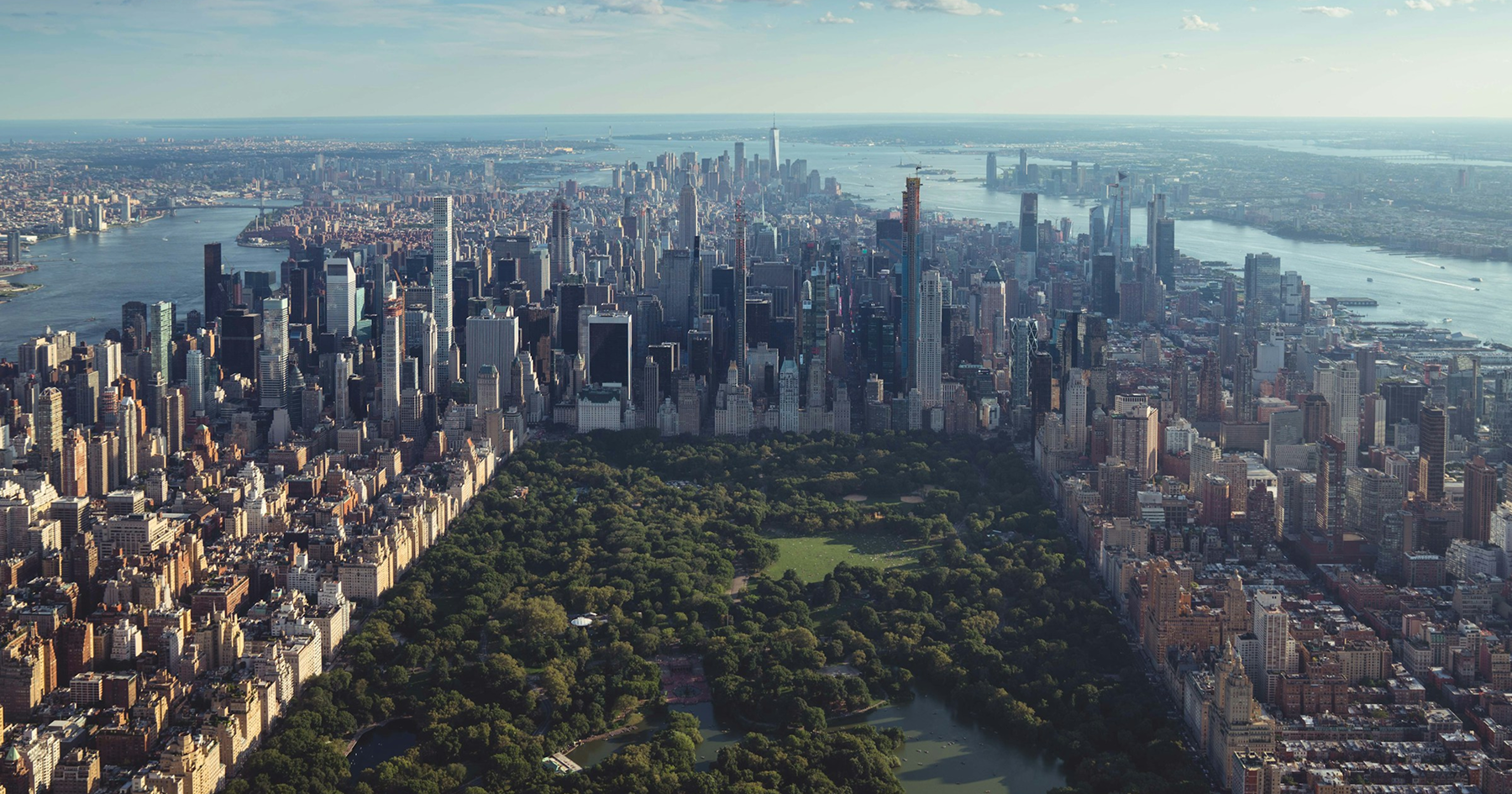
Start with the building
A SoHo opening, a Brooklyn wedding, a Midtown company event, and a Hamptons weekend do not share an owner, a freight elevator, or a license path.
We are based in Los Angeles and Las Vegas. New York is one of four operating hubs — not a claimed Manhattan office. Recent LA work includes Netflix’s End of Summer Bash and MACRO Foundation. The same system travels: artist, assistant, guest host, at least 10–15 small custom or curated flash options, digital waivers, a text waitlist.
Send the borough and the address. We confirm staffing, NYC artist licensing, travel, and the building’s rules for that date.
Tattoo artist licensing in New York City
New York City requires an individual Tattoo Artist License. The City’s current application guidance says the artist must complete its infection-control course and examination unless an applicable alternative is accepted.
For an artist coming from another jurisdiction, NYC also offers a temporary tattoo license valid for seven consecutive days. The City says the temporary applicant must show proof of licensing elsewhere and work under someone with a valid full-term NYC Tattoo Artist License. Current City guidance also says the license and photo ID are mailed after processing, and the artist cannot work until both are in hand. That timing belongs in the production calendar; a seven-day license is not a last-minute walk-up.
That supervision requirement matters. A producer should not assume that an out-of-state artist can arrive with general bloodborne-pathogen training and legally tattoo alone. The artist roster, license type, supervising licensee, event dates, and City requirements need to be resolved before the creative brief becomes the only focus.
The venue must also support a safe tattoo operation. The station needs controlled procedure space, handwashing, cleanable surfaces, adequate lighting, secure clean storage, sanitation supplies, sharps handling, medical-waste removal, guest separation, and a plan consistent with NYC health rules and the building’s requirements.
Tattoo Popups can provide managed permit and licensing support as an optional paid addition, with responsibilities defined in the proposal. No vendor can guarantee City, venue, building, organizer, fire, park, street, landlord, or artist-license approval before the actual plan is reviewed.
New York wedding tattoo artists
New York weddings happen in hotel ballrooms, restaurants, museums, lofts, industrial spaces, rooftops, gardens, brownstones, waterfront venues, and destination properties outside the five boroughs.
Planning at The Plaza, The Carlyle, The Pierre, Wythe Hotel, Brooklyn Botanic Garden, Brooklyn Museum, Liberty Warehouse, Weylin, Cipriani, The Glasshouse, a Tribeca loft, a Brooklyn brownstone, a Hudson Valley farm, or a Hamptons estate? Send the actual property. We will scope the station around the floor plan, guest count, and the license path.
A full-system wedding package includes at least 10–15 small flash designs developed or curated for the event. The menu can reference the couple, handwriting, florals, architecture, neighborhood, family symbols, coordinates, or the weekend’s visual language. Guests select from the approved menu rather than requesting unlimited custom artwork on site.
The guest host manages design discovery, eligibility, digital waivers, and the queue. The tattoo assistant supports the artist and station turnover. This matters in a dense reception where a visible line can block service, elevators, exits, or the dance floor.
Tattoo Popups does not tattoo a visibly intoxicated guest. The operating window should begin while guests are still eligible and should account for ceremony, dinner, speeches, dancing, transportation, and venue curfew. A late-night tattoo station cannot safely be treated as an extension of the bar.
Manhattan brand activations
SoHo, NoHo, the Lower East Side, Chelsea, Meatpacking, Tribeca, Midtown, and other Manhattan districts support retail launches, fashion and beauty programs, press events, agency productions, hospitality suites, customer gatherings, and private brand dinners.
A Fashion Week–adjacent launch, store opening, magazine event, gallery program, or client dinner can work. The brand, the building, and any organizer still have to say yes. Fashion Week on this page is a planning season, not a past credential.
The client should identify trademark rights, campaign language, prohibited imagery, legal and creative approvers, photography permissions, guest data, talent releases, confidentiality, age and eligibility rules, and whether the event is invited or public.
Retail and mixed-use buildings add landlord approval, security, delivery windows, sidewalk and curb impacts, freight elevators, certificates of insurance, fire-life-safety review, electrical limits, restroom access, and line management. A brand’s lease or temporary store contract does not automatically authorize permanent body art.
If activity, signage, queues, a tent, a vehicle, or production equipment reaches the sidewalk, curb lane, street, or pedestrian plaza, the public-space permit path can change materially.
NYC streets, sidewalks, and plazas
The Street Activity Permit Office issues permits for events on New York City streets, sidewalks, curb lanes, and pedestrian plazas, including commercial and promotional events. Its current guidance distinguishes event categories by size and public impact.
For commercial special events, the City currently calls for applications at least 30 days ahead and requires a site plan and run of show. Street-event timelines can range from 14 days for small events to 45 days for large events, with other categories and plazas requiring different timing.
SAPO also notes that other agency permits must be secured before it can issue the street permit. Depending on the event, those can include NYPD sound or no-parking approval, Department of Buildings review for structures, FDNY or environmental requirements for generators, and other operating permits.
A tattoo booth should be shown on the site plan with its queue, controlled procedure area, utilities, access, waste, and emergency clearances. A large public audience does not turn total foot traffic into tattoo capacity, and a sidewalk line cannot obstruct normal pedestrian use.
Brooklyn weddings, lofts, and waterfront properties
Williamsburg, Greenpoint, DUMBO, Brooklyn Heights, Red Hook, Park Slope, Fort Greene, Bushwick, and other Brooklyn neighborhoods support hotels, industrial venues, studios, rooftops, restaurants, cultural properties, and private homes.
Wythe Hotel, The William Vale, 1 Hotel Brooklyn Bridge, Liberty Warehouse, Pioneer Works, a DUMBO loft, or a Bushwick warehouse: send the address. The property still has to approve permanent tattooing.
Older industrial and loft buildings can add freight-elevator reservations, stairs, limited sinks, temporary power, long load-in routes, noise restrictions, building-management documentation, and strict setup or breakdown windows. The station location should be confirmed before staffing and equipment assumptions are made.
A private brownstone or apartment event requires owner, landlord, co-op, condo, or building-management permission as applicable. Residential permission should cover commercial vendors, guest count, elevators, insurance, noise, waste, and access—not merely the resident’s invitation.
Hotels, members’ clubs, and restaurants
New York hotels, clubs, and restaurants may consider a tattoo station for a wedding, brand event, invited member program, private dinner, or controlled guest-experience pilot.
The Standard, Soho House, Public Hotel, The Bowery Hotel, The Greenwich Hotel, The Mercer, Ace Hotel: send the address. The property still has to approve live tattooing.
The property should identify its vendor onboarding, permanent-body-art policy, invited versus public guest access, security, station location, service elevator, working water, wastewater, sharps and medical waste, electrical limits, floor protection, guest charging, insurance documents, photography, and required City licenses.
If recurring programming is the objective, begin with one defined pilot. Review actual demand, guest eligibility, venue friction, staffing, and feedback before describing monthly or quarterly tattoo programming as established.
Corporate, finance, legal, and professional events
New York hosts company milestones, client dinners, conferences, holiday events, recruiting programs, offsites, and internal celebrations across finance, law, media, technology, publishing, advertising, and professional services.
Company events are a real lane here. The first useful questions are the contracting entity, property approval, security, procurement, risk review, guest eligibility, alcohol, photography, data, and confidentiality.
A regulated or conservative organization may need extra clarity that the core service is permanent body art. The creative menu should pass through brand, legal, compliance, communications, or HR review as required. Agency approval is not necessarily end-client approval.
For confidential work, access to the brief and photography can be restricted to the people named in the production plan. Tattoo Popups should promise only the confidentiality measures actually documented in the agreement, not imply a history of unnamed celebrity or NDA work.
Museums, galleries, and cultural properties
New York’s museums, galleries, art fairs, and cultural venues are relevant settings for donor events, exhibitions, launches, receptions, and private rentals. They are also controlled properties with curatorial, preservation, security, loading, art-handling, floor-protection, photography, guest-flow, and insurance rules.
Brooklyn Museum, MoMA PS1, a Chelsea gallery, or a Lower East Side space can work after the venue approves the activity.
Creative tied to an exhibition or artwork requires written rights clearance. The event sponsor should not assume that a ticket, sponsorship, artist relationship, or rental gives the tattoo vendor permission to reproduce protected art.
Private parties, rooftops, and residences
New York private events include birthdays, bachelor and bachelorette gatherings, anniversaries, milestone dinners, family celebrations, and invited parties in lofts, rooftops, brownstones, private clubs, restaurants, and residences.
A rooftop may have strict occupancy, fire, wind, weather, elevator, noise, and operating-hour limits. A terrace without water or a stable protected area may not be a viable station. The building’s approved event plan should include the tattoo operation rather than describing it vaguely as entertainment.
Short-term rentals are not automatically legal event venues. The host should confirm the booking terms, owner and building permission, guest count, commercial-vendor policy, insurance, access, noise, and waste before the address is treated as secured.
Small private gatherings still need appropriately licensed artists and a safe operating plan. “Private” changes the public-event questions; it does not remove health or building requirements.
NYC parks and beaches
NYC Parks says a special-event permit is required for events with more than 20 people in a park or on a beach and advises applicants if other permits are needed. The City says processing generally takes 21 to 30 days.
A Parks permit would not itself authorize tattooing. The organizer would still need confirmation that the activity is allowed, appropriately licensed artists, a compliant station, utilities, sanitation, waste, insurance, security, and any other agency review.
Public parks and beaches create difficult environmental and access conditions. Wind, rain, heat, cold, uneven ground, public traffic, limited water, generators, lighting, and structures may make the proposed footprint unsuitable even when the larger event is approved.
Javits Center, conferences, and trade shows
The Javits Center and New York hotels host trade shows, conferences, fashion markets, media events, and sponsor programs. An exhibitor activation starts with show management and the venue.
The plan may involve show-management approval, exhibitor rules, labor jurisdiction, drayage, move-in windows, electrical orders, badges, security, insurance, booth dimensions, medical or body-art restrictions, and artist licensing.
The exhibitor contract is not authorization to tattoo. The organizer and venue need to approve permanent body art in writing, and the station must appear in the approved floor plan with its controlled queue and operating requirements.
Beyond NYC: Hamptons, Hudson Valley, Long Island, and New Jersey
East Hampton, Southampton, Montauk, the North Fork, Hudson Valley, Catskills, Jersey City, Hoboken, and northern New Jersey are not covered by one NYC license or permit.
Tattoo Popups can evaluate destination weddings and events in these markets, but the exact municipality, county, state, practitioner licensing, temporary-facility rules, venue approval, travel, lodging, and schedule must be confirmed. A New York City tattoo license does not automatically settle an event outside the City.
Naming Topping Rose House, The Surf Lodge, a Hudson Valley farm, Hutton Brickyards, Mohonk Mountain House, Liberty House, or another regional property provides search and planning context, not a past-work claim.
What a full-system New York proposal can include
A defined proposal can cover:
- appropriately licensed tattoo artists and supported artist-hours;
- a tattoo assistant for station support and turnover;
- a guest host for eligibility, waivers, design discovery, and queue management;
- at least 10–15 small custom or curated flash options;
- standard station equipment and consumables;
- digital waivers and a text-supported waitlist;
- aftercare instructions;
- coordination with the client, agency, planner, building, and venue; and
- optional managed licensing or permit support when separately scoped.
Final staffing depends on the artist-license path, expected eligible demand, operating time, design complexity, placement, breaks, venue restrictions, access, and travel.
Tattoo Popups vs. solo tattoo artist
You'll find both in this market. Here's what you actually get with each.
| Tattoo Popups | Solo tattoo artist | |
|---|---|---|
| Crew size | 4 people per station (artist, assistant, host, coordinator) | 1 person |
| Tattoos per hour | 3–5 per artist, sustained | 1–1.5 per hour |
| Insurance | $2M occurrence / $4M aggregate, COI on request | Often none — your venue won't accept it |
| Permits | We file the county health permit, the fire marshal sign-off, and the venue paperwork | You handle it (or they do, slowly) |
| Flash sheet | Custom, designed for your event | Generic sheet, or guest brings their own (slower) |
| Guest experience | Digital check-in, no line, aftercare included | Paper waivers, queue, no aftercare |
| Best for | Weddings, brand activations, private parties, hotel programming, festivals, corporate events | Small private sessions (1–5 guests, no event) |
How a New York tattoo popup comes together
1. Start with the building and borough. Share the exact address, property contact, date, event type, guest count, operating window, and proposed station.
2. Confirm the artist-license path. Identify full-term NYC licensees, any temporary artist applications, required supervision, and whether the event is outside New York City.
3. Separate the approvals. Building, venue, DOHMH, SAPO, Parks, NYPD, FDNY, organizer, landlord, and neighboring jurisdictions are mapped individually.
4. Resolve access and utilities. Freight elevators, delivery windows, working water, wastewater, power, floor protection, security, waste, and queue space are confirmed.
5. Scope artist-hours and flash. Expected eligible demand and usable time drive staffing; at least 10–15 small options are developed or curated for a full-system package.
6. Assign responsibilities. Managed licensing and permit support can be added, with client, agency, venue, artists, and authority actions documented.
7. Run the activation. The artist, tattoo assistant, and guest host manage tattooing, turnover, eligibility, waivers, the queue, and aftercare.
New York service areas
Manhattan: Downtown • SoHo • NoHo • Tribeca • Chelsea • Meatpacking • LES • Midtown • Upper East Side • Upper West Side • Harlem
Outer boroughs: Williamsburg • Greenpoint • DUMBO • Brooklyn Heights • Red Hook • Park Slope • Bushwick • Long Island City • Astoria • Bronx and Staten Island properties
Regional: Long Island • North Fork • Hamptons • Hudson Valley • Catskills • Jersey City • Hoboken • nearby Tri-State properties
Service is confirmed for the actual date, jurisdiction, licensing, staffing, and travel plan.
Frequently asked questions
How much does an NYC event tattoo artist cost?
Pricing is proposal-first. Licensed artist-hours, crew, creative, venue, building access, travel, licensing support, security, and event length affect the scope. Send the exact address, operating window, guest count, and expected participation for a defined proposal.
Does an out-of-state tattoo artist need an NYC license?
New York City offers a seven-day temporary Tattoo Artist License for qualifying out-of-jurisdiction artists. City guidance says the temporary artist must work under a valid full-term NYC licensee. The exact roster and application path should be confirmed with DOHMH.
Can Tattoo Popups work at The Plaza, Wythe Hotel, or another named venue?
We can plan for it after the property says yes to permanent tattooing. Building access, licensing, utilities, waste, insurance, security, and the station still need review.
Can you produce a New York Fashion Week activation?
Yes, after the brand, agency, property, and any organizer approve the plan. Creative rights, artist licenses, building access, public-space impacts, and guest eligibility still have to be addressed.
Can the station go on a sidewalk or plaza?
Not without the appropriate authorization. SAPO controls qualifying activity on streets, sidewalks, curb lanes, and pedestrian plazas, while other agencies may control sound, structures, generators, parking, health, and safety. The tattoo booth also needs its own compliant operating plan.
Can you work at a private brownstone or rooftop?
Potentially, after owner and building approval. The plan must address licensed artists, access, occupancy, utilities, weather, elevators, insurance, noise, waste, and a controlled station. A resident’s invitation alone may not be enough.
How many guests can be tattooed?
Planning generally begins around four to five small flash tattoos per supported artist-hour under standard conditions. Designs, placements, breaks, guest readiness, eligibility, building restrictions, and site conditions qualify the range.
What if guests have been drinking?
Tattoo Popups does not tattoo a visibly intoxicated guest. The guest host manages eligibility discreetly, and the planner should place the operating window before prolonged bar service.
What should a New York producer send first?
Send the exact address, borough, property contact, event or organizer affiliation, date, operating window, guest count, expected participation, freight and security rules, station location, creative brief, and known deadlines.
Related planning pages
- New York wedding tattoo popups
- Brand activation tattoo stations
- Hotel and hospitality programs
- Private event tattoo popups
- Festival tattoo stations
- Destination event tattoo popups
- How Tattoo Popups works
- Safety and event requirements
- Los Angeles event tattoo artist
- Miami event tattoo artist
- Las Vegas event tattoo artist
Tattoo Popups — Live tattoo artist service for events, weddings, brand activations, private parties, hotel programming, corporate events, and festivals. Custom flash, licensed event-specialized artists, full 4-person crew, $2M liability insurance, every permit handled, 30-day touch-up guarantee.
Phone: +1 (323) 400-0803 • Email: hello@tattoopopups.com • Book: cal.com/tattoopopups/30min