How to Hire a Tattoo Artist for Your Wedding: Cost, Safety, and What to Ask
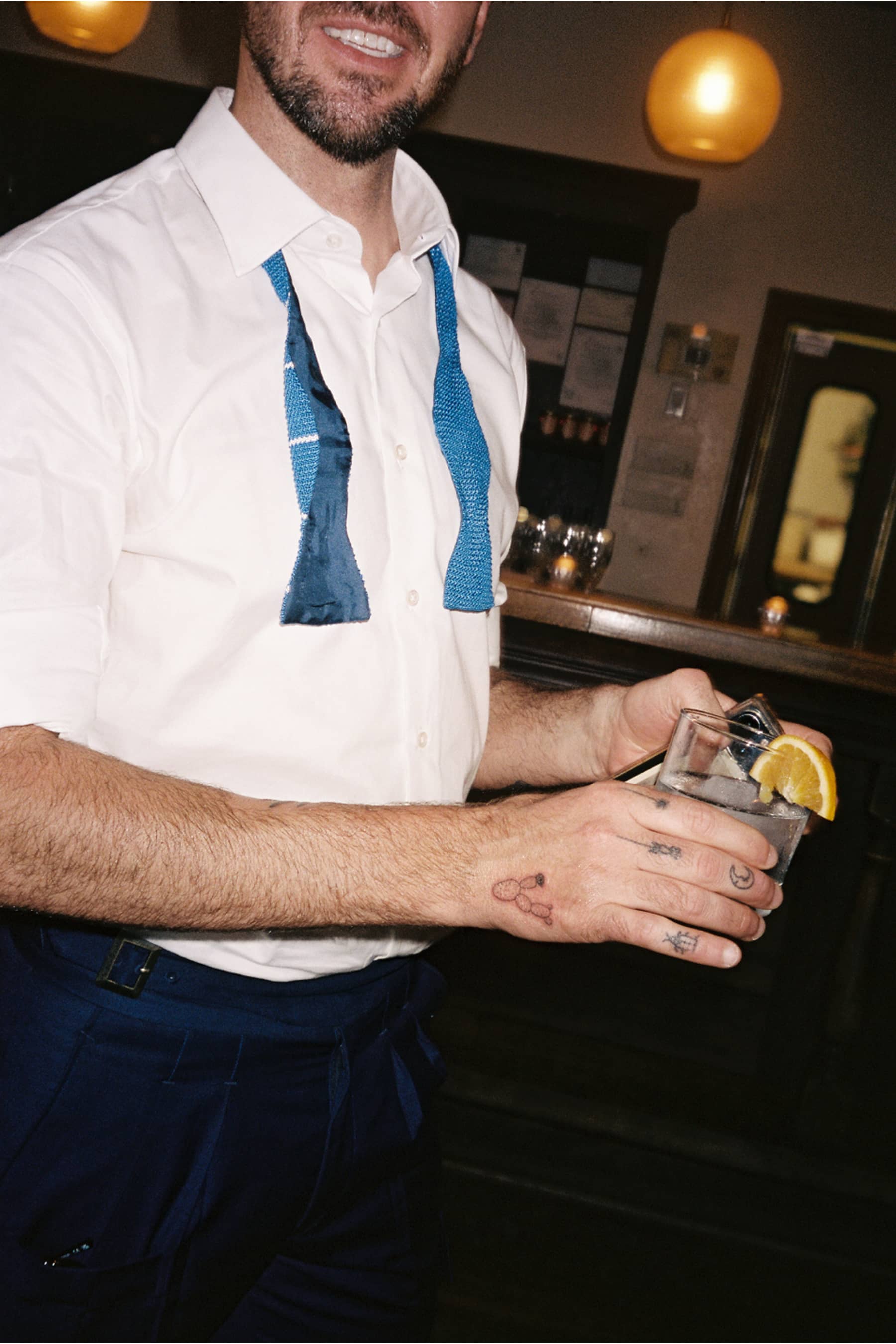
When you hire a tattoo artist for your wedding, you are booking a licensed crew to set up a clean, professional station at your venue and tattoo flash designs on your guests during a set window — usually cocktail hour, the reception, or a late-night block. A wedding tattoo artist handles setup, sterilization, consent forms, aftercare, and breakdown. Guests walk up, pick a design from a flash sheet, and leave with a permanent reminder of the night.
This guide covers everything you need to know to hire a tattoo artist for your wedding: what it costs in 2026, how solo artists compare to established companies, the 12-point safety checklist we share with planners, the red flags that should send you looking elsewhere, and the exact questions to put in writing before you put down a deposit. We wrote this for couples who do not want to learn the hard way on their wedding day.
What Does a Wedding Tattoo Artist Cost in 2026?
Wedding tattoo pricing follows a flat-fee model based on time, travel, and team size — not per tattoo. Most couples budget between $1,500 and $6,500 for a single event. The wide range comes down to four variables:
1. Hours of coverage. A 2-hour cocktail hour window costs less than a 4-hour reception block. Some couples book the artist for the full event (5+ hours) to cover after-dinner guests.
2. Number of artists. One artist tattoos 3–5 guests per hour on small flash designs. Two artists cover 6–10. Three artists handle 12–20 in the same window. A company like Tattoo Popups sends 2–4 artists for most weddings, which is the fastest way to keep the line moving at a 150+ guest wedding.
3. Travel. Local events within a 30-mile radius of the company's home base typically include travel in the base fee. Destination weddings, multi-day events, or remote locations add $300–$1,500 per artist for flights, hotels, and per diem. We cover weddings nationwide, with regular bookings in Los Angeles, Las Vegas, New York, and Miami.
4. Design complexity. Pre-drawn flash (small, ready-to-tattoo designs on a menu board) keeps the line moving. Custom designs for each guest slow production dramatically and usually require a premium add-on.
Here is a realistic breakdown for a 2026 wedding:
- Cocktail hour — 2 hours, 2 artists — 20–35 guests — $1,500–$2,800
- Reception block — 4 hours, 3 artists — 40–70 guests — $3,200–$4,800
- Full event — 5+ hours, 4 artists — 75–120 guests — $5,000–$6,500
- Destination add-on — +$300–$1,500 per artist
Solo artists often quote lower ($800–$2,000) but they tattoo one person at a time, which creates long lines, lower guest throughput, and a single point of failure if they cancel. The math usually favors a team: at $1,500 for a solo artist who can serve 10–15 guests versus $2,500 for two artists who can serve 30–40, the per-guest cost drops and the line moves. For a full breakdown of what drives the cost, see our tattoo popup cost guide and our complete wedding tattoo guide.
Solo Artist vs. Wedding Tattoo Company
The biggest decision you make is whether to hire an independent tattoo artist or a wedding-focused company. Each path has tradeoffs.
Solo Tattoo Artist
Pros
- Lower base price, since you are paying for one person's time and no company overhead
- Direct relationship with the artist you are hiring
- Often highly skilled if you find the right person with private event experience
Cons
- One artist handles 3–5 guests per hour — lines form fast and half the interested guests give up before they reach the chair
- Single point of failure: illness, emergency, or no-show cancels your entire plan a week before the wedding
- Usually no contract, no insurance certificate, no backup plan, no real way to recover if something goes wrong
- Limited design selection unless you commission a custom sheet weeks in advance
- The artist is also the setup crew, the cashier, the photographer, and the cleanup crew — none of which they are great at
- No corporate address to chase if something goes sideways, just a personal Instagram
Established Wedding Tattoo Company
Pros
- Roster of vetted artists with overlapping specialties (fine line, traditional, blackwork, realism)
- 2–4 artists tattooing at once, which means no lines and more guests served in the same window
- Dedicated event coordinator who handles logistics, contracts, and venue coordination
- $2M professional liability insurance plus workers' comp, which the venue will require before they let you on-site
- Backup artist dispatch if someone calls in sick the morning of
- Standardized setup that meets health-department requirements in any state
- Portfolio of past weddings, corporate events, and brand activations you can review before you book
Cons
- Higher base price than a solo freelancer
- You work with a coordinator through most of the planning, not directly with the artist who shows up
The honest answer for most couples: hire the company unless you have a personal relationship with a solo artist who has done private events before. The insurance, the backup plan, and the throughput are worth the premium. Wedding days don't have dress rehearsals, and the cost of a cancelled tattoo station shows up in your wedding photos forever.
What to Look for in a Wedding Tattoo Artist
A professional wedding tattoo service looks like a portable, licensed studio. When you vet a provider, look for these seven qualities:
1. A real business. They have a registered business entity, a website with a portfolio, and verifiable reviews on Google, Yelp, or The Knot. Avoid Instagram-only operators with no business footprint — great work, zero accountability.
2. Insurance. Request a certificate of liability insurance with $2M coverage. Your venue will ask for this — most venues won't allow an artist on-site without it. Workers' compensation is a plus. Full details live on our safety page.
3. Health-department compliance. Each artist holds a state body-art practitioner license where required (California, New York, Florida, and most states require one). The company carries a mobile body-art permit or works under a registered studio permit.
4. A written safety checklist. They send you a PDF or link to their sterilization, setup, and aftercare protocol before you book. If they can't produce one, walk away.
5. Past wedding or event work. Ask for 3–5 references from weddings, corporate events, or brand activations. A street-shop tattooer who has never done a private event is the wrong fit.
6. A design library. Professional services bring 50–200+ pre-drawn flash designs on a menu board or iPad. Custom designs are optional, not required, and the flash menu keeps the line moving.
7. A signed contract. The contract covers scope of work, hours, number of artists, total fee, deposit terms, cancellation policy, and insurance certificates. If a provider operates on a handshake, you have no protection when something goes wrong.
5 Red Flags That Should Send You Looking Elsewhere
Vetting takes 30 minutes if you ask the right questions. Here are the five answers that should end the conversation the second you hear them:
- "I don't carry insurance." Every professional mobile tattoo service carries liability insurance. A solo artist who says it's "not necessary" has never worked a real event. Walk away.
- "We can do whatever the guests want." Custom designs for every guest means 10-minute consults and 30-minute tattoos. The line will be 3 hours long and half your guests will give up before they sit down.
- "What's the deposit via Venmo?" A real business takes deposits through a contract, an invoice, or a credit card processor. Peer-to-peer payments are untraceable and offer zero protection when something goes sideways.
- "I just finished my apprenticeship." Tattooing is a regulated craft. An apprentice has hundreds of hours of practice, not thousands. A wedding is not the place to learn event logistics.
- "I can bring a friend to help." Every person who touches a tattoo machine needs a body-art license. A second unlicensed hand on the setup crew is a health-department violation and a liability nightmare.
The 12-Point Wedding Tattoo Safety Checklist
Before you sign a contract, confirm the artist or company meets these standards. Tattoo Popups publishes this checklist publicly; any provider who can't meet all 12 items is not qualified for private events.
- Single-use needles. Every tattoo uses a fresh, factory-sealed needle cartridge that opens in front of the guest.
- Autoclave sterilization. Reusable grips, tubes, and stainless tools go through a medical-grade autoclave between every client. The autoclave is spore-tested monthly.
- Hospital-grade disinfectant. Workstations, chairs, and surfaces wipe down with EPA-registered disinfectant between guests.
- FDA-approved pigments. Vegan pigments from named manufacturers. No mystery bottles.
- Cross-contamination controls. Gloves change between guests. Sharps containers seal and dispose at a medical waste facility.
- Setup barriers. Each station uses disposable barrier film on every surface the artist touches.
- Handwashing station. A dedicated sink or sanitizer station lives within 10 feet of the tattoo chair.
- Aftercare instructions. Every guest leaves with a printed aftercare card and the artist's contact info for follow-up questions.
- Bloodborne pathogen training. Every artist holds a current OSHA bloodborne pathogen certification.
- State body-art license. Every artist who touches skin holds an active practitioner license in the event's state.
- Professional liability insurance. $2M coverage with your venue named as additional insured if requested.
- Mobile body-art permit. The company operates under a mobile studio permit or a registered fixed location with mobile authorization.
Ask the provider to walk you through this list on a call. A professional answers each point in under a minute. The ones who can't are the ones who have not done the work to set up a real event service.
10 Questions to Ask Before You Sign
Put these in writing. Email is fine. The answers tell you everything you need to know about whether this provider is operating like a real event business or making it up as they go.
- How many weddings have you tattooed in the last 12 months? Look for 20+ events per year.
- Can you send a certificate of insurance with our venue named as additional insured? You need this for the venue contract.
- What state licenses does each artist hold, and can you send copies? Get the license numbers and verify them on your state health department's website.
- How many artists will be on-site, and what is your backup plan if someone cancels? The answer should be a named backup artist, not "we'll figure it out."
- How many guests can you tattoo per hour with that team? 3 artists should cover 9–15 per hour on flash designs.
- What does your design library look like, and how many options do guests get? 50+ designs on a menu board is standard.
- What is your setup footprint, and what does the venue need to provide? Most setups need 10×10 feet per artist, one 15-amp outlet, and access to a sink.
- What is your cancellation policy, and what does the deposit cover? A clear policy protects both sides.
- Do you carry workers' compensation insurance? Important if an artist is injured on-site.
- Can I see 3 references from weddings or corporate events in the last 6 months? Call or email them.
If a provider hesitates on any of these, move on. There are enough professional companies in this space that you don't need to settle.
Wedding Tattoo Timeline: 12 Weeks Out
Most couples book 8–12 weeks before the wedding. Here is a week-by-week plan that keeps everything on track without burning your planner out.
12 weeks out
- Shortlist 3–5 providers based on portfolio, reviews, and coverage area.
- Request quotes with your date, venue, guest count, and hours of coverage.
- Confirm each provider is available on your date.
10 weeks out
- Compare quotes, check references, and request insurance certificates.
- Schedule a 30-minute call with your top 2 providers.
- Sign a contract with your chosen provider and pay the deposit (typically 25–50%).
8 weeks out
- Confirm the design library and request any custom designs (if budget allows).
- Share the venue address, contact, and load-in details with the provider.
- Add the provider to your venue's approved list and send the insurance certificate to your venue coordinator.
4 weeks out
- Finalize the tattoo hours, location, and any photo/video permissions.
- Review the aftercare cards and confirm the setup footprint one more time.
- Pay the remaining balance per the contract terms.
1 week out
- Confirm arrival time, setup window, and the on-site contact who will meet the artist team.
- Brief your wedding planner or day-of coordinator on the tattoo station location, signage, and any guest-facing communication.
Day of
- The artist team arrives 60–90 minutes before the start time to set up.
- A coordinator from the company runs the station, manages the line, and handles aftercare.
- The team breaks down in 30–45 minutes and leaves no trace.
Why Couples Choose Tattoo Popups
Tattoo Popups has tattooed at more than 1,200 weddings, corporate events, and brand activations since 2019. Every artist on our roster holds an active state body-art license, $2M professional liability insurance, and OSHA bloodborne pathogen certification. We bring 200+ flash designs to every wedding, send 2–4 artists per event, and publish our 12-point safety checklist on our website because the industry should be transparent about how it operates.
When you hire Tattoo Popups for your wedding, you get:
- A dedicated event coordinator from contract to clean-up
- A vetted artist team with overlapping specialties
- A standardized setup that meets health-department requirements in all 50 states
- Backup artist dispatch for the rare cancellation
- A portfolio of past weddings you can review
- Real references from real couples
We have tattooed at The Knot Wedding Expo, Brides Live Wedding, Playboy, Honey Birdette, Red Bull, and hundreds of private celebrations. We are not the cheapest option. We are the option that shows up, sets up on time, and tattoos your guests without a single hiccup — and we have the references to prove it.
Request a Wedding Proposal
If you are ready to hire a tattoo artist for your wedding, request a wedding proposal. We respond within 24 hours with availability, a custom quote based on your date and venue, a sample contract, and our insurance certificate. No pressure, no obligation — just the information you need to make a confident decision.