25 Wedding Entertainment Ideas for 2026 (That Aren't a Photo Booth)
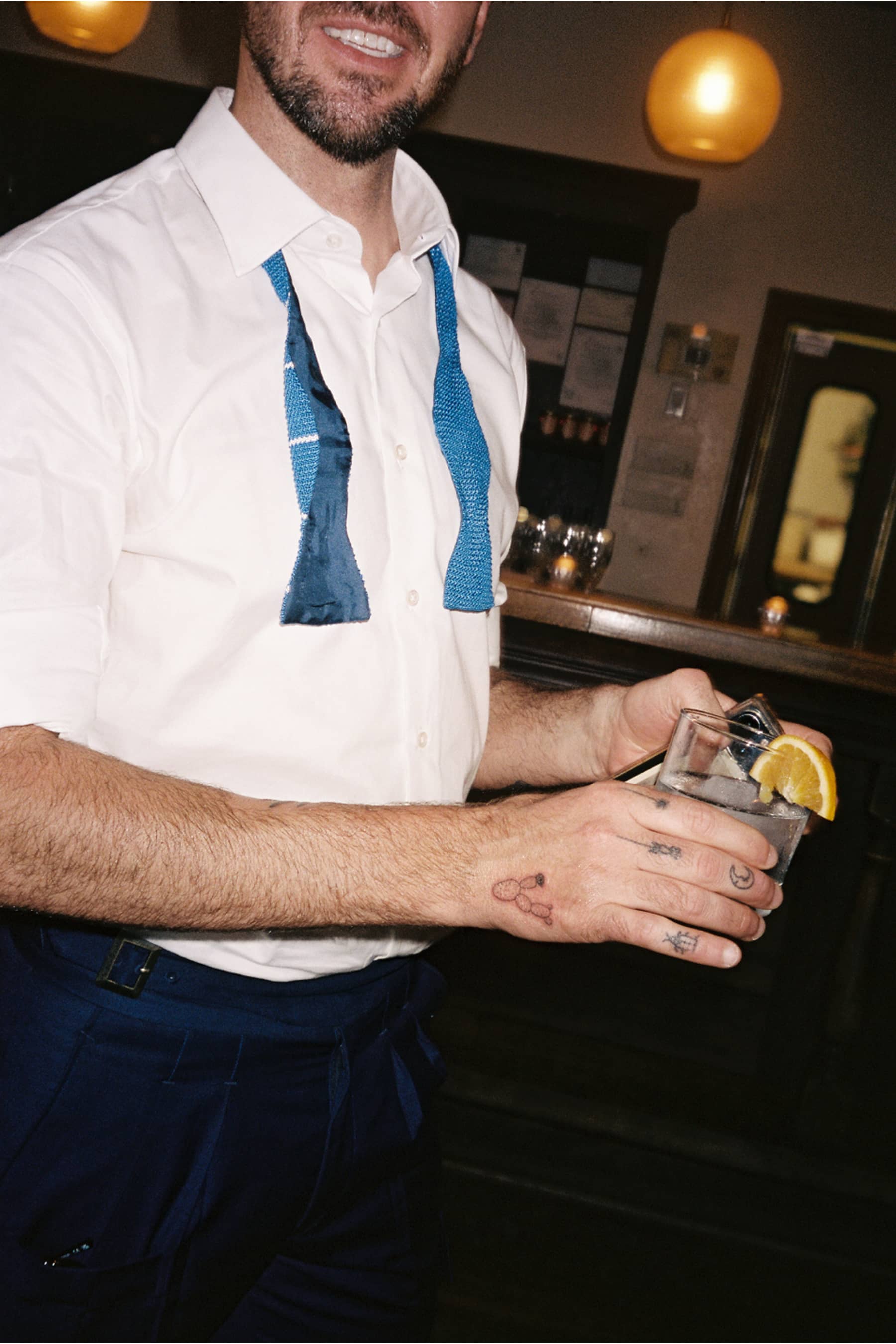
The 25 wedding entertainment ideas for 2026 below cover every part of your day, from ceremony to last call. You will find a tattoo popup, live painters, vinyl DJs, cigar lounges, aerialists, tarot readers, mixology bars, roaming poets, champagne towers, live illustrators, silent disco, fire performers, magicians, caricaturists, lawn games, oyster bars, espresso carts, food trucks, gelato carts, whiskey tastings, flower crown stations, jazz trios, string quartets, drag performances, and fireworks. Each idea explains what it looks like on the day, who it suits, and what it costs.
Weddings in 2026 are moving past the photo booth. Couples want guests to do something, feel something, and leave with a story they will tell on the drive home. The trend runs toward experiences that require a guest to put down their phone and pick up a tool, a brush, a card, or a cocktail. Tattoo popups, live painters, and tarot readers sit at the top of that list because they produce something the guest takes home.
The 25 ideas below are grouped by the moment they work best: ceremony, cocktail hour, dinner, and late night. Most formats are available in major markets including Los Angeles, Las Vegas, New York, and Miami, with travel options for destination weddings anywhere in the country.
Why Couples Are Skipping the Photo Booth in 2026
The standard photo booth has had a long run. It works, but it produces a strip of photos that ends up in a drawer, next to last year's Halloween costume and a stack of takeout menus. The wedding entertainment ideas 2026 couples are booking instead share one trait: they leave the guest with something physical, a story, or a permanent reminder of the night.
A tattoo station produces a permanent mark the guest wears for life. A live painter produces a canvas that hangs in someone's living room by Tuesday. A poet produces a printed card tucked into a wallet. A tarot reader produces a moment of quiet reflection between two loud hours. None of those go in a drawer. That is the shift, and that is the reason these formats keep eating into the photo booth's market share at weddings in every major city.
Ceremony and Welcome Hour
These set the tone before a single toast is made. Ceremony entertainment tends to be quiet and visual so it does not compete with the vows.
1. Live Painter
A live painter sets up an easel off to the side of the ceremony and works in real time. By the end of the first dance, you have a finished oil or acrylic painting of the room, the couple, or the ceremony itself. Guests walk past the easel all night and watch the painting fill in. It functions as entertainment, decor, and a finished heirloom in one. The trade-off: a good live painter runs $1,800 to $6,000, and you will not see the finished work until the very end of the night.
Cost: $1,800 to $6,000 for a 4 to 6 hour session, with the finished painting included.
2. String Quartet
A classical string quartet during the ceremony and the first hour of cocktail hour signals a considered event. Most quartets learn one new piece for the processional and play a curated set of modern covers for the rest of the hour. Pachelbel's Canon is fine, but a four-piece arrangement of a Radiohead song tends to land harder with mixed-age crowds.
Cost: $1,200 to $2,500 for 2 hours.
3. Roaming Poets
Two or three poets work the ceremony and cocktail hour, listening to short conversations with guests, then writing a custom poem on the spot and reading it back. The output is a small printed card the guest keeps. Poets work fast and can produce 40 to 60 poems across a 90 minute window. The format surprises people in the best way. We have seen guests carry their poems longer than the wedding favors.
Cost: $1,500 to $3,000 for 3 poets, 2 hours.
Cocktail Hour
The 60 to 90 minute gap between ceremony and dinner. This is where most wedding entertainment ideas 2026 either land or disappear. For couples planning a wedding, cocktail hour is the highest-impact window for an interactive anchor format.
4. Tattoo Popup Station
A tattoo popup at a wedding is a private booking of one or more professional tattoo artists who set up a clean, licensed station in a dedicated room, tent, or corner of the venue. Guests walk up, browse flash sheets of pre-drawn designs sized and priced for the event, and get a small tattoo on the spot. Sessions run 5 to 20 minutes depending on size and placement. It is the only format on this list that leaves a permanent reminder on the guest's body, which is exactly the point.
What it looks like. The setup includes a tattoo station with a professional chair or massage table, a privacy screen, autoclave sterilization equipment, single-use needles, and a clearly visible sanitation station. Most wedding tattoo stations operate under the host venue's existing health permit, or the artists bring their own mobile permit depending on the state. Guests sign a consent form and show ID. Artists turn away anyone visibly intoxicated. The couple usually picks a flash sheet theme in advance, often tied to the wedding's visual identity, the wedding date, or a shared interest like travel, music, or astrology.
Flash sheets. Flash sheets are pre-drawn designs printed or drawn at a fixed size, with one price for each. For weddings, flash sheets typically include 15 to 30 designs: small symbols, mini portraits of the couple's dog, the wedding coordinates, a tiny bouquet, the venue skyline, line-art mountains, celestial motifs, or inside jokes. Prices at wedding events usually range from $80 to $250 per tattoo depending on size, color, and detail. Most guests pick from flash rather than commissioning custom work, which keeps the line moving.
Safety. A reputable wedding tattoo artist is licensed, insured, and brings documented autoclave sterilization or single-use disposable equipment. Bloodborne pathogen certification, a sharps disposal container, and consent forms are standard. The artists provide aftercare instructions and a small aftercare kit to each guest. Couples should ask to see the artist's license, insurance certificate, and a portfolio of past wedding or event work before they send a deposit.
Cost range. A single-artist wedding tattoo station runs $1,800 to $3,500 for 3 to 4 hours, which typically covers 15 to 25 tattoos. A two-artist station runs $3,200 to $6,500 and covers 30 to 50 tattoos. Some artists offer a "free for the couple" package where the couple gets a wedding-themed tattoo included in the booking.
Tattoo popups have become one of the most-requested wedding entertainment ideas for 2026 because the tattoo is the only wedding favor a guest will still be wearing in 10 years. For a deeper breakdown of pricing, insurance, and the booking process, see our complete wedding tattoo guide or the tattoo popup cost breakdown.
5. Mini Tattoo Station Alternative
For couples who want a tattoo moment without a full station, a smaller setup works: one artist, a curated flash sheet of 10 designs, and a 2 hour window during cocktail hour. The shorter format keeps it intimate and contained. It also works well at rehearsal dinners, welcome parties, and after-parties. If your guest count is under 80 and you only have one window to fill, this is the move.
Cost: $1,200 to $2,000 for one artist, 2 hours, 8 to 15 tattoos.
6. Live Illustrators
Live illustrators sit at a small station and draw custom portraits, couple portraits, or pet portraits of guests in 5 to 10 minutes using fine-tip markers, brush pens, or watercolor washes. Output is a small card the guest takes home. The format works well as a cocktail hour activity because it draws a small crowd and creates a visible queue that signals something interesting is happening. If you have ever watched a guest walk away holding a tiny portrait of themselves and laughing, you understand why this format books out year after year.
Cost: $1,500 to $3,000 for 2 illustrators, 2 hours.
7. Tarot Readers
Two or three tarot readers work a roving table or a small tent. Sessions run 8 to 12 minutes per guest. The tone can be playful or serious depending on the readers you book. Tarot works particularly well at weddings where guests arrive from out of town and want a structured icebreaker. Many readers will pull one card for the couple at the start of the night and read it to the room as a small ritual — this consistently lands as one of the more memorable moments of the evening.
Cost: $800 to $1,800 per reader for 2 hours.
8. Mixology Bar
A mixology bar swaps the standard open bar for a custom cocktail menu of 4 to 6 drinks, each tied to a moment in your relationship: the drink you had on your first date, the drink you ordered on the proposal, the drink you split at the rehearsal dinner. A trained bartender walks each guest through the menu, builds the drink in front of them, and explains the story. It works because guests slow down and pick a drink with intention rather than defaulting to a vodka soda.
Cost: $25 to $45 per guest over a 4 hour window, including bartender fees, ice, glassware, and ingredients.
9. Champagne Tower
A champagne tower is a 6 to 10 tier glass pyramid poured from the top with champagne or sparkling wine. It reads as a moment: the couple pours the top glass together, the rest fills in a cascade, and the bartender serves the lower glasses for the next 20 to 30 minutes. Towers work best during the cocktail hour or as a punctuation between dinner and dancing. The photos are good. The pours are generous. The guests who were on the fence about champagne become the ones who finish the tower.
Cost: $400 to $1,200 for glassware rental and champagne, depending on guest count.
10. Espresso Cart
An espresso cart at the end of dinner or the start of dancing solves the post-meal energy dip. A trained barista pulls shots, makes lattes, and serves a small menu of espresso-based drinks from a mobile cart. It signals the room is shifting gears into the late-night phase of the wedding. Pair it with a small pastry menu and you have a built-in pivot point between the meal and the dance floor.
Cost: $900 to $2,000 for 2 hours, including barista, cart, and beans.
11. Vinyl DJ
A vinyl DJ plays records instead of a digital library. The format forces curation: they bring 200 to 400 records and read the room in real time. Vinyl DJs tend to lean into soul, funk, disco, classic hip-hop, and house. The visual of someone cueing up a record and adjusting the EQ is its own entertainment. The format works for both ceremony and reception when you book one DJ for the full day.
Cost: $2,500 to $5,000 for a 6 hour reception.
12. Lawn Games
Lawn games suit outdoor weddings with grass space and a 30 to 60 minute cocktail window. Cornhole, giant Jenga, croquet, bocce, and badminton cover the casual end. Most rental companies deliver, set up, and pick up. Lawn games work best when paired with a hosted bar so guests do not have to walk back and forth — the second a guest has to choose between a drink and a game, the game loses.
Cost: $300 to $900 for a full game set rental.
Dinner and Toasts
The 90 to 120 minute sit-down window. Entertainment here is usually lighter and built into the structure of the meal. These formats pair well with a louder cocktail-hour or late-night anchor like a tattoo station. The point during dinner is to give guests something to look at or listen to without pulling them out of the conversation.
13. Jazz Trio
A jazz trio works during dinner without competing with table conversation. Bass, piano, and a horn or voice covers standards, bossa nova, and contemporary arrangements. A trio stays in the background but signals to the room that the meal has been considered. The honest move here: book the trio for dinner and then bring in a louder band or DJ for dancing. A trio is the appetizer, not the main course.
Cost: $1,500 to $3,000 for 2 to 3 hours.
14. Cigar Lounge
A cigar lounge setup includes a humidor, a cutter, lighters, and a curated selection of 8 to 12 cigars. A cigar host walks guests through the menu, explains the differences, and pours paired drinks: bourbon, rum, espresso, or port. Cigar lounges work best at outdoor weddings or venues with a designated smoking area, since most of the conversations happen mid-puff and you want a comfortable place to stand. Many couples add a custom cigar band with the wedding date and the couple's initials.
Cost: $25 to $60 per guest depending on cigar selection.
15. Whiskey or Wine Tasting
A guided whiskey or wine tasting during dinner keeps guests engaged through the long sit-down portion. A sommelier or whiskey host brings 4 to 6 pours, walks the table through each one, and explains the origin, the production, and the pairing. For whiskey tastings, the host usually brings small bottles and pours 0.5 ounce samples per spirit. The format rewards guests who like ritual and conversation, and it makes a long table feel like a long dinner party instead of a long wait.
Cost: $30 to $75 per guest, including host fee and product.
16. Oyster Bar
A raw oyster bar during cocktail hour or as a passed appetizer during dinner. A shucker works a portable setup and shucks to order. Pair with lemon, mignonette, and hot sauce. Oyster bars work in coastal venues and have become a signature element at destination weddings in Maine, the Outer Banks, Charleston, and the Pacific Northwest. The format works because a good shucker is part performer, part line cook — guests watch, ask questions, and end up eating something they would not have ordered off a menu.
Cost: $8 to $15 per oyster, with shucker fee included.
17. Flower Crown Station
A flower crown station sets out fresh blooms, floral wire, ribbon, and scissors. A florist or floral assistant walks guests through the process. Guests build their own crown and wear it for the rest of the night. The station works best with a small, curated palette of seasonal flowers so the crowns look consistent across the room. Expect a long line at the start of cocktail hour and a sea of crowns in every photo by 11pm.
Cost: $1,200 to $2,500 for the station, flowers, and a florist for 2 hours.
Late Night and After-Party
After dinner, after toasts, after cake. This is the loud window. These are the formats that turn a wedding into the kind of night guests talk about for years — the part of the evening the next-day text threads are still quoting in February.
18. Silent Disco
A silent disco gives every guest a pair of wireless headphones and three channels: a DJ playing dance music, a DJ playing throwbacks, and a DJ playing requests. Guests switch channels with a button on the headphones. It looks like a room full of people dancing to nothing, which is the funniest part of the night for everyone not wearing headphones. Silent discos solve noise ordinances at venues with strict sound limits and work as a contained late-night format.
Cost: $1,500 to $3,500 for 75 to 150 headphones and DJ setup.
19. Aerialists
Aerialists perform on silks, hoops, or trapeze rigged from a freestanding frame or existing venue structure. Performances run 10 to 15 minutes and work best as a punctuation during the cake cutting, the first dance, or right before the late-night shift. Aerialists require a rigging inspection and a safety briefing with the venue in advance. The visual reads as a single moment rather than ambient entertainment, so book them when the room is paying attention, not during dessert.
Cost: $2,500 to $6,000 for 2 to 3 performers, 30 to 60 minutes total performance time.
20. Fire Performers
Fire performers work outdoor or large indoor venues with high ceilings and good ventilation. Formats include poi, staff, fans, and fire eating. Performances run 10 to 20 minutes and read best as a single set rather than roaming entertainment. Fire performers need a cleared performance area, a fire extinguisher on standby, and a fire marshal sign-off in some jurisdictions.
Cost: $1,800 to $4,500 for 2 to 3 performers.
21. Magicians
Magicians work cocktail hour or the late-night hour as roaming performers. Close-up magic, card magic, and mentalism read well in small groups of 5 to 15 guests. A good wedding magician can work 80 to 120 guests across a 90 minute window. Magicians work best when paired with another format, since they do not give the room a shared visual moment on their own — they make the moments small and personal, which has its own value.
Cost: $1,200 to $2,500 per magician for 2 hours.
22. Caricaturists
Caricaturists work cocktail hour or the late-night window, drawing fast custom portraits in 5 to 8 minutes. Output is a small drawing the guest keeps. Caricaturists work well as a complement to a tattoo station since both produce a take-home artifact. The two formats share a similar visual energy and read well as a paired offering — one permanent, one on paper, both worth keeping.
Cost: $1,200 to $2,500 per caricaturist for 2 hours.
23. Drag Performance
A drag performance can work as a single set during the late-night hour or as a roaming host who walks the room during cocktail hour. Many drag performers double as emcees and run the reception from the stage. Drag performances work for any wedding, not just LGBTQ weddings, and the format has become a signature element at weddings looking for a high-energy late-night moment.
Cost: $1,500 to $4,500 for a single 30 to 60 minute set or hosting window.
24. Food Truck or Gelato Cart
A food truck parked outside the venue or a gelato cart rolled into the late-night space solves the post-dinner hunger gap. Food trucks work best with one focused menu of 3 to 4 items, so the line moves fast. Gelato carts work as a replacement for or in addition to the wedding cake. Both formats give the room a small ritual: the line, the wait, the bite.
Cost: $1,500 to $3,500 for a food truck booking, $900 to $2,000 for a gelato cart.
25. Fireworks
A fireworks display at the end of the night closes the wedding with a single shared visual moment. Fireworks require a licensed pyrotechnician, a permit, and a venue with enough open sky overhead. Smaller venues often use cold spark fountains on the ground during the first dance instead of aerial fireworks, which require less setup and no permit in most jurisdictions.
Cost: $2,500 to $8,000 for aerial fireworks, $800 to $2,500 for cold spark fountains.
How to Choose
Pick 3 to 5 ideas and place them by moment. A ceremony string quartet, a cocktail hour tarot reader, a dinner jazz trio, and a late-night tattoo popup covers a full day with four formats and gives every guest one thing they will remember.
If you want a single anchor entertainment that produces a permanent artifact, a tattoo popup is the strongest option in 2026. The tattoo outlives the cake, the flowers, the dress, and every photo. Your aunt's Instagram post will expire. Her tattoo will not.
Budget matters. Tattoo popups, live painters, and aerialists sit at the higher end. Lawn games, espresso carts, and roaming poets sit at the lower end and work as add-ons to a stronger anchor format. For full pricing context, see the tattoo popup cost guide.
Considering a tattoo station? Read our complete wedding tattoo guide, our tattoo popup safety standards, or our guide on how to hire a tattoo artist for your wedding.
The Best Wedding Entertainment Ideas 2026 Couples Book Most
Of the 25 formats above, four sit at the top of every booking list in 2026: tattoo popups, live painters, tarot readers, and silent disco. These are the formats couples ask about first, and they consistently drive the strongest guest reactions.
A tattoo popup works because the artifact is permanent. A live painter works because the canvas goes home with the couple. Tarot works because it gives guests a quiet, personal moment in the middle of a loud night. Silent disco works because it solves the noise ordinance problem without giving up the dance floor. If you have to pick one anchor, any of these four will carry the wedding.
The other formats on this list are excellent supporting pieces. The job is to build a day where every guest has at least one moment they will remember a year later. Pick the anchors first, fill in around them, and trust that an interesting day beats an expensive one every time.
Frequently Asked Questions
What are the most-requested wedding entertainment ideas for 2026?
Tattoo popups, live painters, tarot readers, silent disco, and aerialists top the list for 2026. These formats all produce a take-home artifact or a shared visual moment, which is why they have replaced the photo booth as the anchor entertainment at a growing share of weddings.
How much does wedding entertainment cost in 2026?
Most entertainment formats run between $800 and $6,000 depending on scope. A single-artist tattoo station runs $1,800 to $3,500, a two-artist station runs $3,200 to $6,500, a string quartet runs $1,200 to $2,500, and silent disco runs $1,500 to $3,500. Most couples budget $3,000 to $7,000 total across 3 to 5 formats.
Are tattoo stations legal at weddings?
Yes, in every U.S. state with a mobile or event body-art permit. Reputable operators carry professional liability insurance, single-use needles, autoclave sterilization, and a state body-art license for every artist on the team. Couples should always ask to see the certificate of insurance and the artist licenses before sending a deposit.
How far in advance should I book wedding entertainment?
8 to 12 weeks for most formats. Tattoo popups, aerialists, and live painters book out 3 to 6 months in peak season (April through October), so earlier is better for those.
What wedding entertainment works on a tight budget?
Lawn games, roaming poets, espresso carts, and flower crown stations all run under $2,000 and work well as add-ons. Pair two of them with a single higher-end anchor and you cover the full day without breaking the budget.